
Our Impact

Advancing Human-Environment Knowledge for Resilient Futures

At Nébié Lab, we integrate anthropology, participatory methods, and spatial science to understand how communities around the world adapt to environmental change, climate pressures, and food and water insecurity.

Community-Centered Inquiry

We begin every project by engaging directly with local communities. Through ethnographic fieldwork, listening to lived experiences, and co-creating research priorities with stakeholders on the ground.

Mixed Methods & Spatial Integration

To understand complex human–environment dynamics, we combine qualitative anthropology with quantitative spatial methods. This mixed-methods approach allows us revealing patterns and insights.

Collaborative Knowledge to Action

We work with policymakers, development partners, and local stakeholders to co-produce knowledge that informs sustainable policies and resilient solutions.

About Nebie Lab

We are an anthropology research laboratory

The Nébié Lab is a dynamic research laboratory dedicated to the study of human–environment interactions, with a special focus on climate adaptation, food and water security, and socio-ecological change in West Africa.

Lead by Elisabeth Ilboudo Nébié, this lab integrates ethnographic methods with spatial technologies such as GIS and remote sensing, to generate deep insights into how communities understand, adapt to, and shape their changing environments.

OUR SPECIALTIES

Explore Our Main Field of Research

Lorem ipsum dolor sit amet, consectetur adipiscing elit, sed do eiusmod tempor incididunt ut labore et dolore magna aliqua.

Human–Environment Interactions

We investigate how environmental changes — including climate variability, land degradation, and ecological shifts — influence human livelihoods and community resilience.

Climate Adaptation & Governance

By examining adaptive strategies and governance structures at local and regional scales, the lab partners with stakeholders to advance equitable and informed policy decisions.

Food & Water Security

We study the cultural, economic, and ecological drivers of food and water insecurity, focusing on how households and communities respond to stressors like drought, conflict, and climate shocks.

Participatory and Spatial Methods

Our work combines ethnography, participatory mapping, and remote sensing to understand environmental processes and local knowledge systems from the ground up.

Learn more about our areas of focus

Human–Environment Interactions

Lorem ipsum dolor sit amet, consectetur adipiscing elit. Ut elit tellus, luctus nec ullamcorper mattis, pulvinar dapibus leo.

Climate Adaptation & Governance

By examining adaptive strategies and governance structures at local and regional scales, the lab partners with stakeholders to advance equitable and informed policy decisions.

Food & Water Security

We study the cultural, economic, and ecological drivers of food and water insecurity, focusing on how households and communities respond to stressors like drought, conflict, and climate shocks.

Participatory and Spatial Methods

Our work combines ethnography, participatory mapping, and remote sensing to understand environmental processes and local knowledge systems from the ground up.

our locations

Our areas of operation around the world

Nébié Lab conducts research and engages with communities across diverse geographic contexts to advance understanding of human–environment interactionsin West Africa, East Africa and beyond.

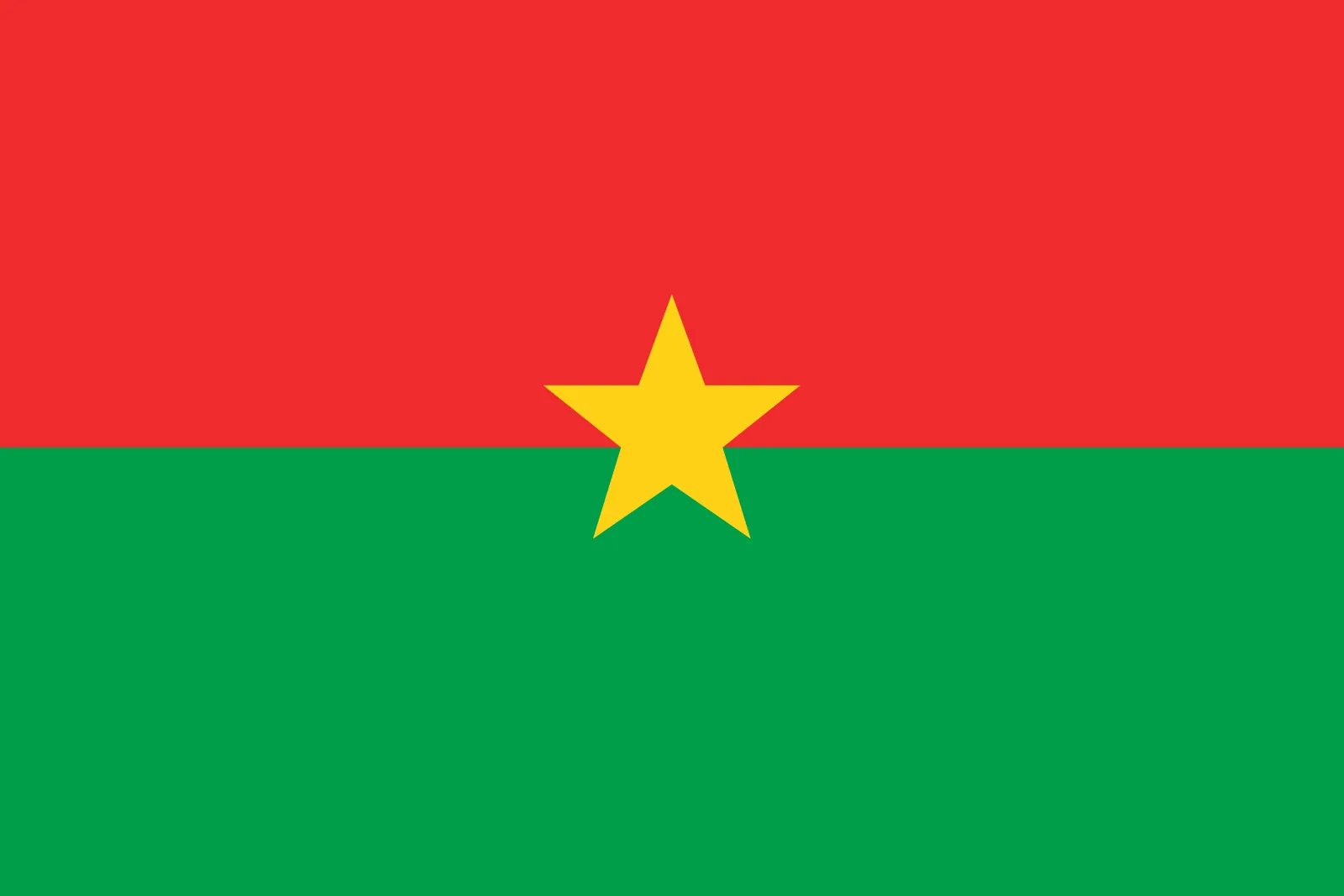
Burkina Faso

West Africa

Extensive fieldwork on livelihood strategies, land degradation, migration patterns, and human–environment relations, especially in agro-pastoral communities across the country.

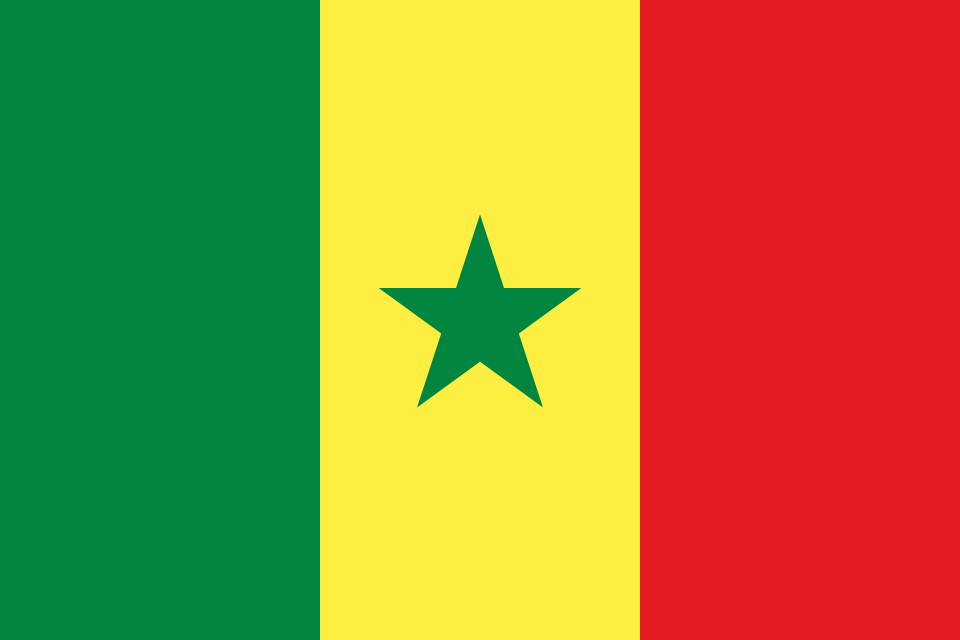
Senegal

West Africa

Research on climate shocks, food security, and vulnerability mapping, including work in southern regions affected by conflict and environmental stressors.

Kenya

East Africa

Investigations into the effects of multi-season droughts on pastoralist livelihoods and decision-making in arid and semi-arid landscapes

Multi-Regional & Cross-Scale Contribution

Sub-Saharan Africa Continental-scale studies on the combined impacts of drought, conflict, and pest outbreaks on food security and vulnerability
 Contributions to socio-environmental research in Uganda and other sites

Samoa

Beyond Africa

Collaborative research exploring blue food sovereignty, small-scale fisheries comanagement, and social-ecological resilience in Pacific island contexts.

Latest Research

Our Latest Case Studies

Contact Us

Want to hear more about our researches? Let us a message through the form hereby

latest news

News & Article

Our Partners

Retour en haut